
6 Hardscape Elements That Bring Structure to Landscape Design
Hardscape elements form the backbone of solid landscape architecture, giving form and boundaries to open outdoor areas. Non-living installations like stone walkways, retaining barriers, and paved entertainment zones establish order alongside surrounding greenery. Blending structural features with organic plants helps property owners create versatile, visually pleasing environments. According to Workyard, well-planned outdoor enhancements can boost property value between 5.5% and 12.7%. Understanding the primary structural choices enables homeowners to make informed investments that elevate functional convenience while raising aesthetic appeal across all seasons.
1. Construct Stone Pathways
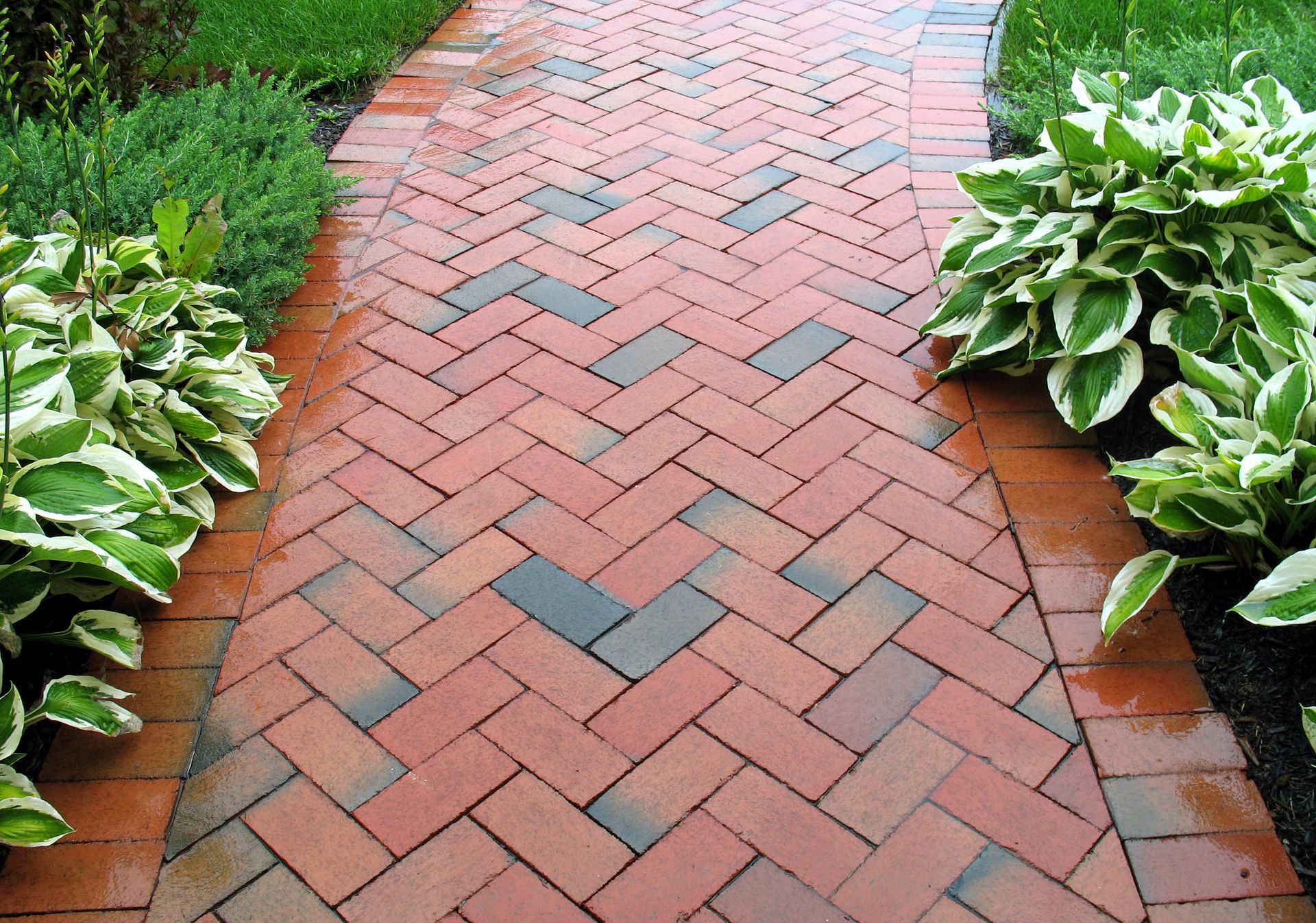
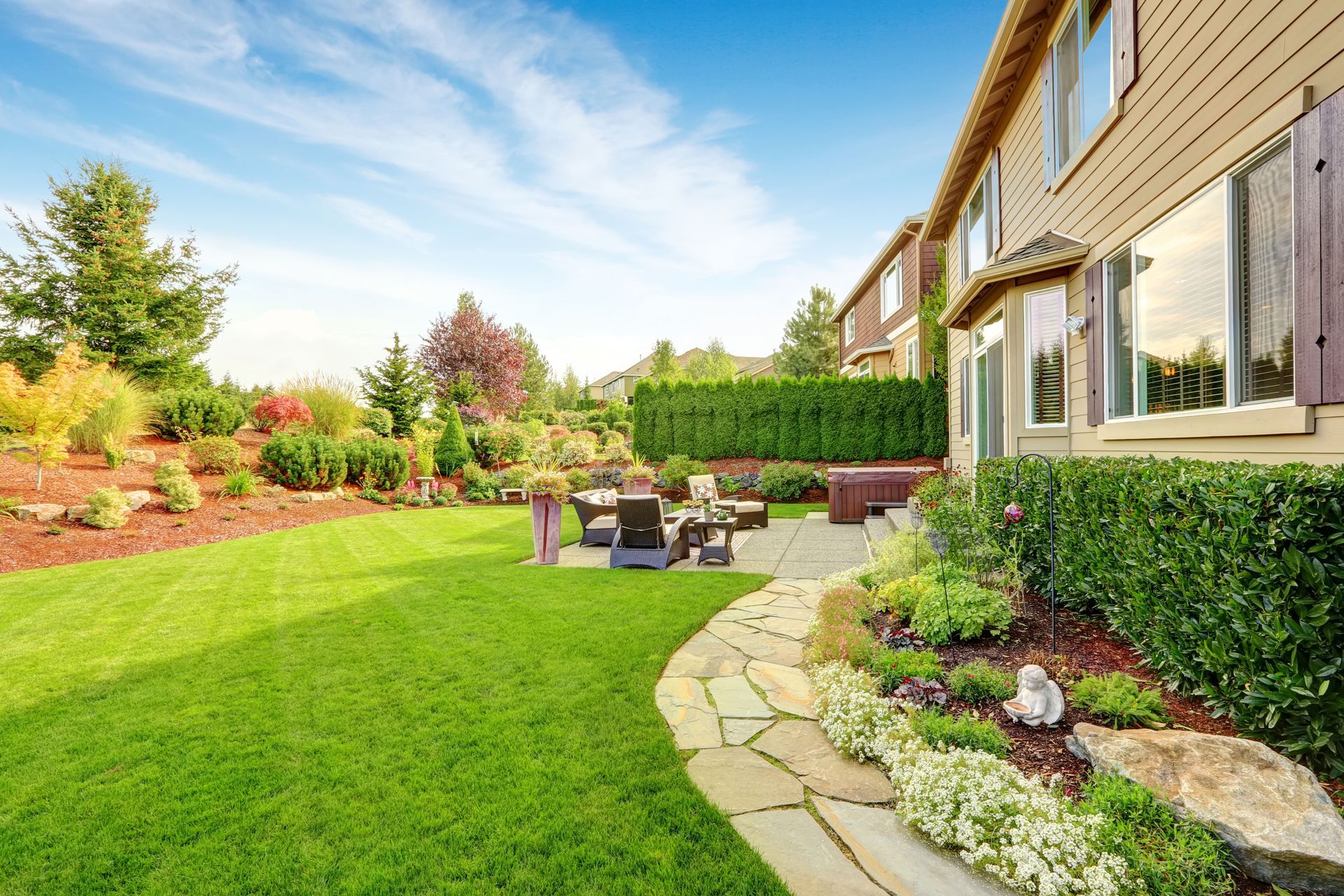
Stone pathways represent a timeless structural feature that introduces character, flow, and order to any property layout. Selecting appropriate stone materials dictates both long-term structural resilience and overall visual aesthetics. Material choices like flagstone, cobblestone, or crushed gravel suit different architectural themes and environmental conditions. Flagstone delivers a flat walking surface, whereas crushed stone promotes groundwater drainage. Pairing walkways with greenery creates continuous movement across the landscape.
The layout and geometric pattern of a walkway directly govern its overall impact and spatial harmony. Straight pathways offer a formal presentation, whereas winding stone paths establish a relaxed, natural feel throughout the yard. Designers arrange precise layouts like herringbone or basketweave to match the broader architectural theme of the home. Utilizing skilled hardscape design services guarantees that foundational layers are correctly compacted to prevent shifting over time.
Preserving stone pathways ensures safety and extends the physical lifespan of the chosen materials. Routine washing and protective sealing safeguard masonry from weather damage, while clearing debris prevents surface degradation. Swapping loose stones quickly preserves structural stability, while surrounding softscape elements assist with water drainage and overall visual harmony. A well-maintained walkway becomes a prominent design feature that smoothly guides guests through distinct garden zones.
2. Install Retaining Walls
Retaining walls serve crucial structural roles by mitigating soil erosion while introducing vertical dimension to residential yards. Diverse construction materials allow tailored aesthetics and specific structural benefits suited to differing soil conditions. Popular choices like poured concrete, natural stone, and heavy timber provide varying degrees of strength and decorative flexibility. A properly constructed retaining wall supports terracing while creating dynamic possibilities for elevated planting beds on sloped properties.
Functional benefits extend far beyond visual appeal, improving the usable square footage of steep properties. Retaining walls transform unusable sloped earth into flat zones appropriate for cultivation, recreational activities, or outdoor living areas. These structures can double as built-in masonry seating or serve as highlighted backdrops for floral displays. By strategically restructuring ground levels, retaining walls aid localized water management by channeling runoff away from home foundations.
Building durable retaining walls requires precise construction practices and careful attention to surrounding landscape conditions. Builders must establish deep footings and integrate proper drainage pipes behind the structure to prevent water pressure build-up. Techniques like mortarless dry stone stacking or reinforced concrete block installations offer distinct structural capabilities. Partnering with specialized hardscape design services ensures the wall aligns seamlessly with surrounding grade levels, producing an enduring balance of utility and style.
3. Build Patios and Terraces
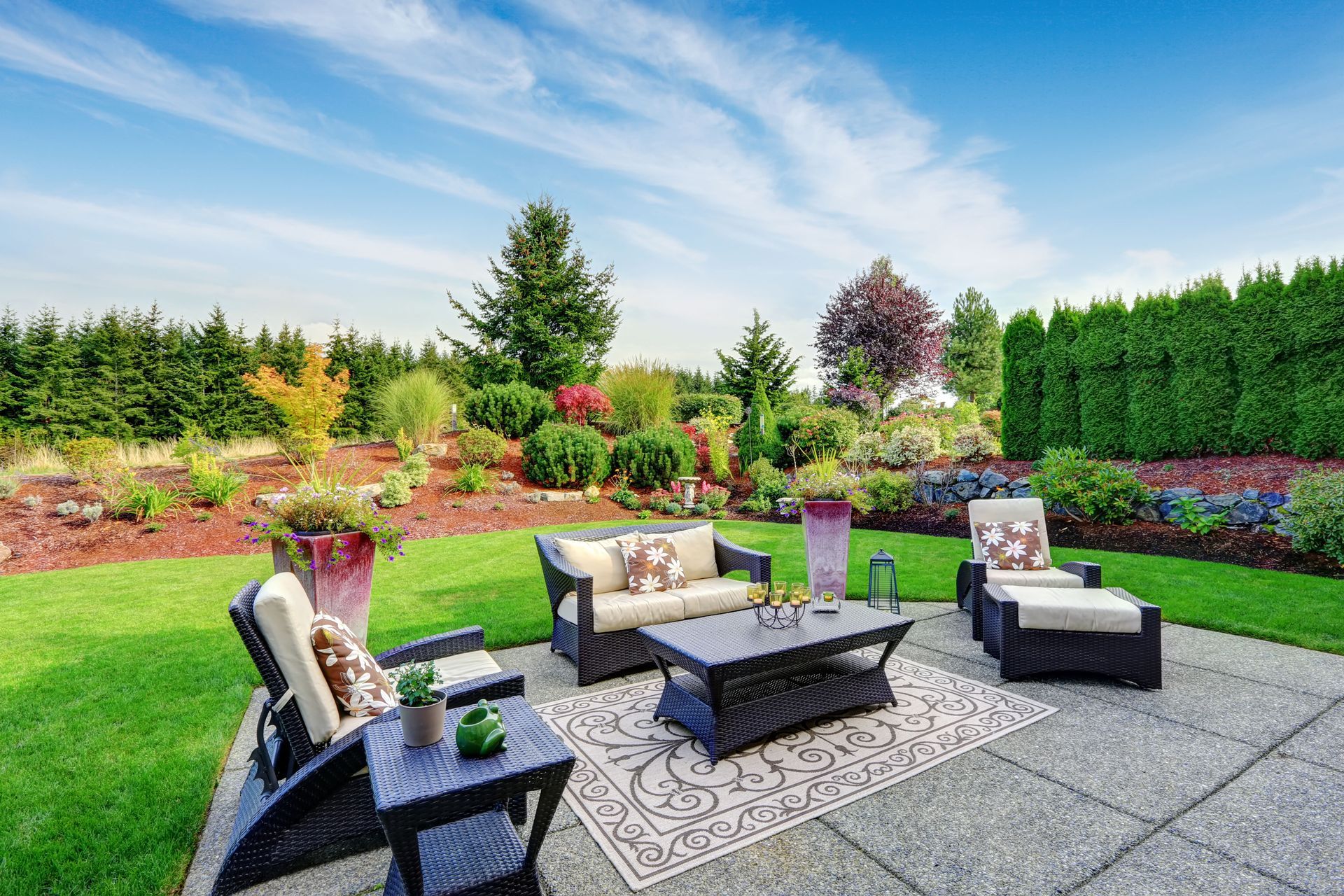
Patios and terraces extend interior living space into open environments, providing versatile venues for hosting guests, dining, and relaxation. Material selection forms the cornerstone of patio creation, with poured concrete, natural flagstone, or composite timber yielding distinct visual textures. Incorporating quality hardscape design services helps homeowners choose materials that match their lifestyle needs, budget constraints, and climate conditions. These paved surfaces bridge the divide between indoor comforts and natural outdoor surroundings.
Structural planning for patio areas demands evaluation of space utilization, foot traffic flow, and environmental factors. Designing smooth transitions between indoor doorways and outdoor patio spaces improves overall property usability. Built-in features like permanent benches, custom planters, or central fire pits add operational purpose and visual interest. Designers prioritize site drainage, slope, and circulation paths to ensure visitors move comfortably between distinct activity zones across the backyard.
Equipping patio spaces with functional features maximizes their usability throughout every season of the year. Installing exterior lighting fixtures, durable patio furniture, and weather-resistant decorative accents turns open space into an inviting retreat. Integrating surrounding vegetation or soothing water features introduces softness and peaceful ambiance to hard surfaces. Sustainable construction choices like permeable pavers allow rainwater absorption, reducing standing water issues while preventing excessive heat buildup.
4. Integrate Water Features
Water features bring engaging auditory and visual dynamics to outdoor spaces, elevating sensory appeal across the entire property. Options range from compact wall fountains and decorative birdbaths to extensive koi ponds and cascading stone waterfalls. Dynamic fountains produce calming ambient noise that masks noise pollution, while clear ponds invite native birds and beneficial wildlife. Selecting the right water installation requires matching the home's architectural design and surrounding spatial context.
Positioning a water feature requires analyzing yard layout, power accessibility, safety considerations, and sightlines from interior windows. Strategic placement turns a fountain or pond into a captivating focal point visible from inside the residence, maximizing year-round enjoyment. Custom hardscape design services help homeowners install water features in areas that promote quiet reflection while integrating smoothly into existing stone structures. Planning for utility access upfront simplifies essential pump installation and maintenance routines.
Beyond visual appeal, aquatic installations foster relaxation, improve personal well-being, and enhance property appeal. Gentle sounds from flowing water convert ordinary yards into serene sanctuaries for relaxation after busy days. Strategic installation procedures guarantee that pumps, skimmers, and biological filtration systems operate quietly and efficiently. Careful attention to continuous water circulation minimizes algae growth, preserving clean water clarity while protecting equipment integrity over many years of operation.
5. Define Garden Edging
Garden edging provides clear spatial definition, acting as a clean boundary that separates plant beds from surrounding turfgrass. Materials for garden borders include natural stone blocks, stacked brick, extruded aluminum, treated lumber, and plastic. Selecting appropriate edging materials depends on desired longevity, aesthetic preference, and ongoing maintenance expectations. Choosing border materials that mirror nearby hardscape features preserves visual consistency and keeps the overall landscape looking organized and purposeful.
Border design styles offer opportunities for creative expression, matching formal or casual landscape themes. Crisp, straight lines establish modern structure and geometric order, whereas sweeping curved borders deliver an organic transition between space zones. Customized edging designs can incorporate distinct brick layouts or stacked stone accents that add character to lawn borders. Proper border style selection enhances the property's general organization while giving garden beds a polished, professional appearance.
Practical benefits of installing garden edging include restricting aggressive grass roots from creeping into rich garden soil, which reduces weeding labor. Rigid borders hold mulch and topsoil securely in place during heavy rainfall, preventing messy washouts across paved pathways. Relying on expert hardscape design services ensures edging materials are anchored deep enough to resist winter frost shifts. High-quality garden borders maintain structural stability, preserving tidy lawn lines year after year.
6. Incorporate Outdoor Lighting
Outdoor lighting transforms hardscape elements at night, improving property safety, usability, and nighttime visual drama. Implementing modern hardscape design services allows homeowners to combine accent spotlights, path fixtures, and subterranean lighting strategically. Distinct lighting techniques bring out textures in stone walls, highlight specimen trees, and illuminate dark walkways for evening guests. Thoughtfully planned illumination extends outdoor living hours well into the evening, turning dark yards into comfortable, usable extensions of the home.
Illumination increases family safety by lighting footpaths, deck steps, and property entry points, minimizing fall hazards in the dark. Utilizing energy-efficient LED fixtures dramatically reduces electricity consumption while delivering reliable performance for years without frequent bulb replacements. Low-voltage and solar-powered options offer eco-friendly lighting solutions that operate independently of complex wiring needs. Proper fixture placement protects occupants while creating an inviting nighttime environment around outdoor living structures.
Strategic lighting techniques bring custom masonry and architectural details to life after sunset. Downlighting mounted in trees or structures casts gentle illumination over patios and stone pathways without harsh glare. Highlighting stone retaining walls or water features creates dramatic shadows and depth across the landscape background. Creative light placement maximizes evening enjoyment, turning functional outdoor features into captivating artistic statements night after night.
Harmonizing structural stonework with soft plant materials generates a balanced environment that elevates everyday lifestyle quality and property appeal. Thoughtfully designed landscapes become natural extensions of indoor living quarters, encouraging outdoor gathering and relaxation throughout every season. To transform your property with custom hardscape design services and expert outdoor living solutions, contact our dedicated team at Patio Works Inc.
Share On: